The regional innovation network has been strengthened thanks to the new framework applied to the technology transfer system.
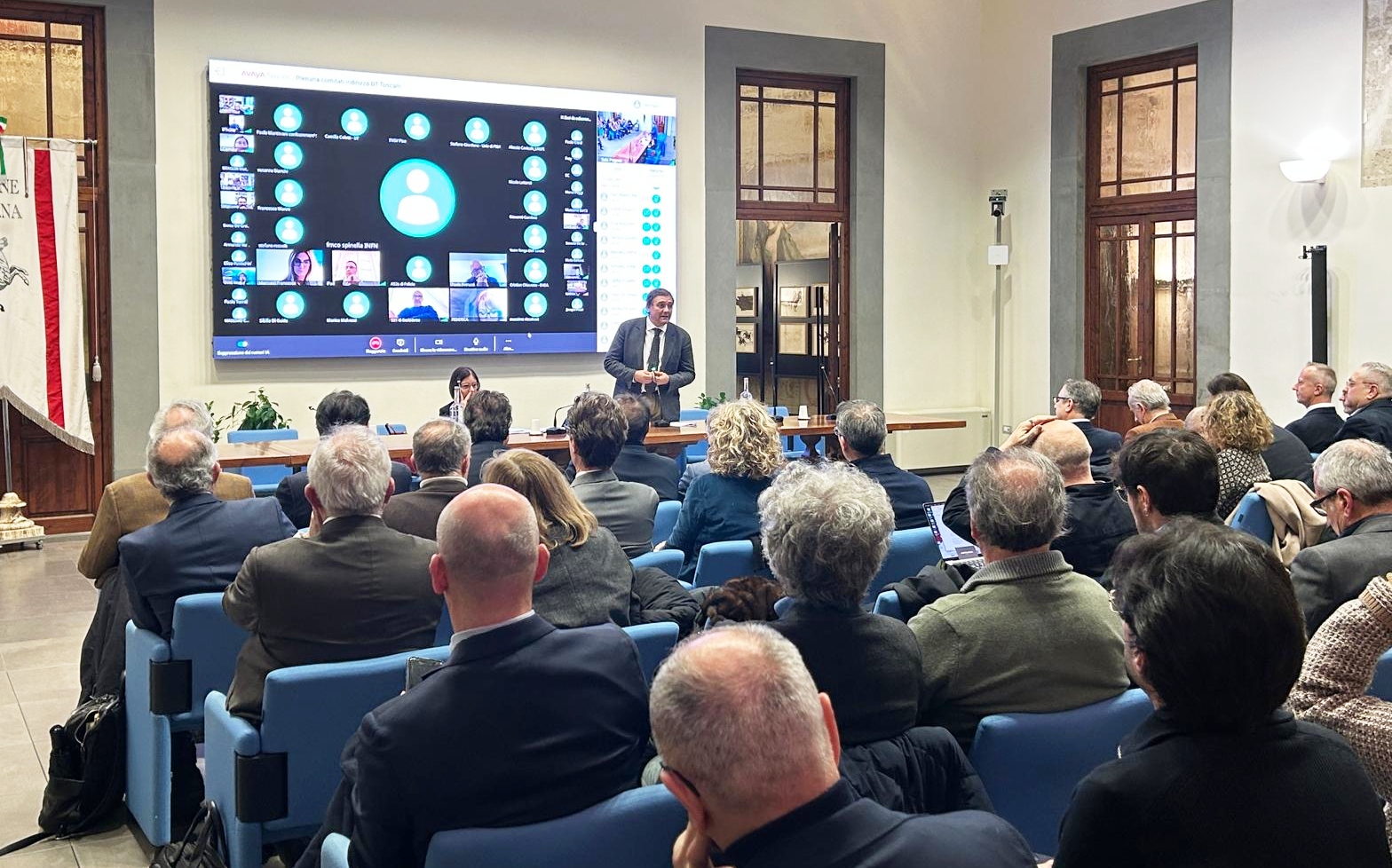
This new organisational model was decided upon during the first plenary meeting of the technology district steering committees in January.
“The fundamental purpose of the technology transfer system is to support the competitiveness of businesses and ensure that all investments in research, development and innovation are as effective as possible,” said Leonardo Marras, Regional Councillor for Economy and Productive Activities, who chaired the meeting. “Today, we have finalised the organisation of this complex system, and we hope that it will promote the growth of our industrial system.”
Following the reorganisation, eleven districts have been established to cover the following sectors: fashion; interiors and design; marble and ornamental stones; life sciences; new materials; boating and ports; railways; energy; paper; advanced manufacturing; and tourism.
Each technology district comprises two components: businesses and public research bodies. The districts act as links between business and technology transfer systems, developing and implementing actions to promote and disseminate technologies geared towards digital and environmental transitions.
Each district is governed by a steering committee, a chairperson and a manager, who are responsible for implementing the strategic decisions of the district. The organisational chart includes the business component, represented by the chairperson, and the research component. The members of the research component are nominated by trade associations, universities, and research institutions, and are then selected and appointed by the Region of Tuscany.
This process will soon be finalised with the creation of a platform that matches innovative ideas and projects with the research needs of businesses, encouraging informed and productive investment.