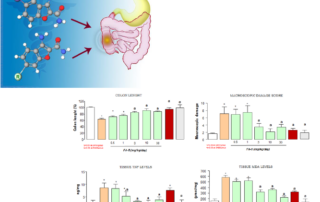
Benzofuran derivatives as AMPK activators
The present invention relates to the development of novel benzofuran derivatives able to activate AMPK (Adenosine MonoPhosphate-activated protein Kinase), a key enzyme in the regulation of immune homeostasis



The present invention relates to the development of novel benzofuran derivatives able to activate AMPK (Adenosine MonoPhosphate-activated protein Kinase), a key enzyme in the regulation of immune homeostasis
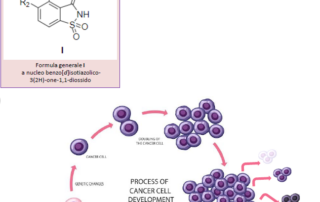
The present invention relates to novel benzo[d]isothiazolic-3(2H)-one-1,1-dioxide core compounds able to effectively and selectively inhibiting the IX and XII isoforms of the enzyme carbonic anhydrase (CA), which are predominantly expressed in hypoxic and metastatic tumors.
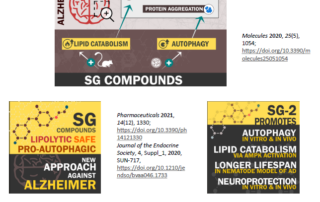
The object of the present invention is the design, synthesis, and pharmacological evaluation of novel diphenylmethane core molecules, capable of simultaneously promoting activation of the autophagy process and lipid catabolism, both in vitro and in vivo. Their dual activity may represent a novel approach for the treatment of neurodegenerative diseases, such as Alzheimer.
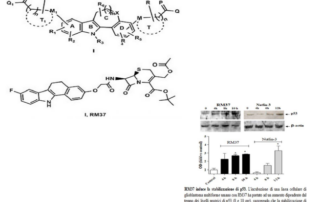
The present invention concerns the development of new derivatives with apoptosis-modulating action by inhibition of the MDM2/p53 complex.
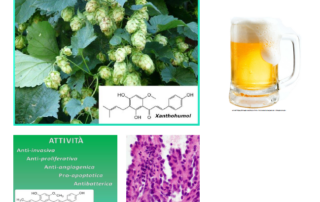
The present invention relates to new synthetic analogs of Xanthohumol (XN), a naturally occurring prenylated chalcone found in the female inflorescence of the hop plant (Humulus lupulus L. - Cannabaceae). Xanthohumol is a flavonoid known for its multiple properties
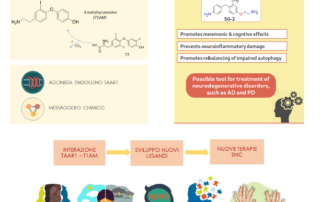
The invention aims to the development of new synthetic analogs of 3-iodothyronamine (T1AM), an exponent of a class of endogenous molecules derived from thyroid hormones. The possible main therapeutic uses are: treatment of obesity and dyslipidemia,neuro-psychiatric and behavioral disorders,neurodegenerative diseases.
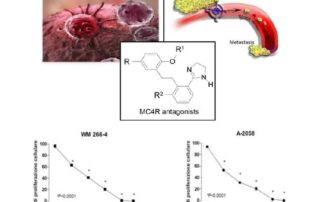
The present invention belongs to the field of therapeutic treatments of cancer diseases, particularly solid tumors such as melanoma, cancers of the gastrointestinal tract and thyroid carcinoma. The use of a melanocortin 4 receptor antagonist offers a possible new target therapy in the treatment of cancer diseases, counteracting the possibility of recurrence.
The invention is a portable device for the detection of traumatic brain injuries (TBI) biomarkers from rapid blood analysis.
The invention concerns a vertical barrier of UVC rays, interposed between people in a static position.
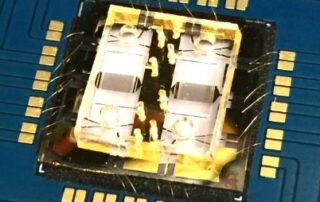
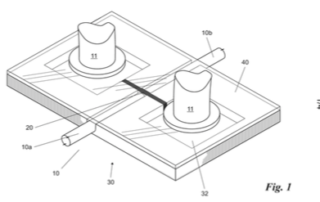
The present invention relates to an optofluidic microsystem based on photonic crystals and a process for its realisation.